A visit to the Stunning Wahbah Crater

Noor on the Edge

I have seen several breathtaking wonders of nature and every time the first expression that came to my mind was ‘Subhan Allah’ (glory be to Allah), for only HE can create such wonders. But the first expression that came to my mouth, on seeing the Wahbah crater, was ‘Auzu Billah’ (I seek the protection of Allah).

Reaching The Wahbah Crater 

First, let me provide some context so you have an idea of what I was feeling when I reached the Wahbah crater. From Kuwait, I drove to a city in Saudi Arabia called Dhulm which took around 1,000 km and 11 hours of continuous driving. We reached Dhulm around sunset and did nothing except eat and sleep. The sleep was as comfortable as it can be in a new place with my brain flooded with various concerns regarding the trip. We left Dhulm immediately after Fajr prayers since our plan was to reach the Wahbah crater before the sun started to produce unbearable heat. The drive of around 200 km was on an impressive road infrastructure and we did not face a single stretch of off-road driving, even though the last leg of the drive was between various mountains and hills.

After Dhulm our next destination was Al-Baha where we planned to make an overnight stop and then move towards the hill station of Abha. The long journey ahead made me question whether this 200 KM detour to the Wahbah crater was even worth the time and effort. An inner voice was telling me ‘What is there to see, some mountains and a hole?’ 

With these apprehensions, I parked my car in the provided parking area. There were some facilities such as washrooms, Masjid, and a visitor center but all were closed. I don’t know if the closure was because it was off-season or because we were early. Anyway, it didn’t matter. We were not there for the facilities, but rather for the crater, which was open 24/7.  

From the parking, I was not able to see the crater, but I started feeling a bit anxious. Maybe it was my paternal instinct to sound alarms about the safety of the place. From the parking lot, I remember climbing to the nearest viewing gallery and seeing the crater for the first time.

Immediately, I was taken aback by a haunting feeling, and the words ‘Auzu Billah’, came automatically to my mouth.

Before I begin describing my observations, it’s essential to emphasize that for me safety always takes precedence, especially when it involves my family and children. Prior to our visit to this location, I conducted thorough research, watching videos and viewing images of people not only admiring the crater from a secure distance but also descending to its base. I saw entire families, including toddlers, exploring the depths of the crater and even tasting the salt on its floor. So, in my mind, this adventure seemed perfectly safe.

However, upon reaching the designated viewing point and gazing into the crater, a sense of unease washed over me. Perhaps it was due to the crater’s sheer size and depth, which hadn’t been adequately conveyed in the pictures and videos that I had seen earlier. It might have been the presence of a mysterious white mist rising from the crater’s base and extending to several hundred meters into the surrounding mountains or the fact that we were entirely alone at the site. Or maybe it was a combination of all these factors that left me with a feeling of uncertainty.

How the Wahbah Crater Looked 

The diameter of the crater was about the size of 8 full-sized soccer fields and the depth was almost about 100 stories of a standard apartment building

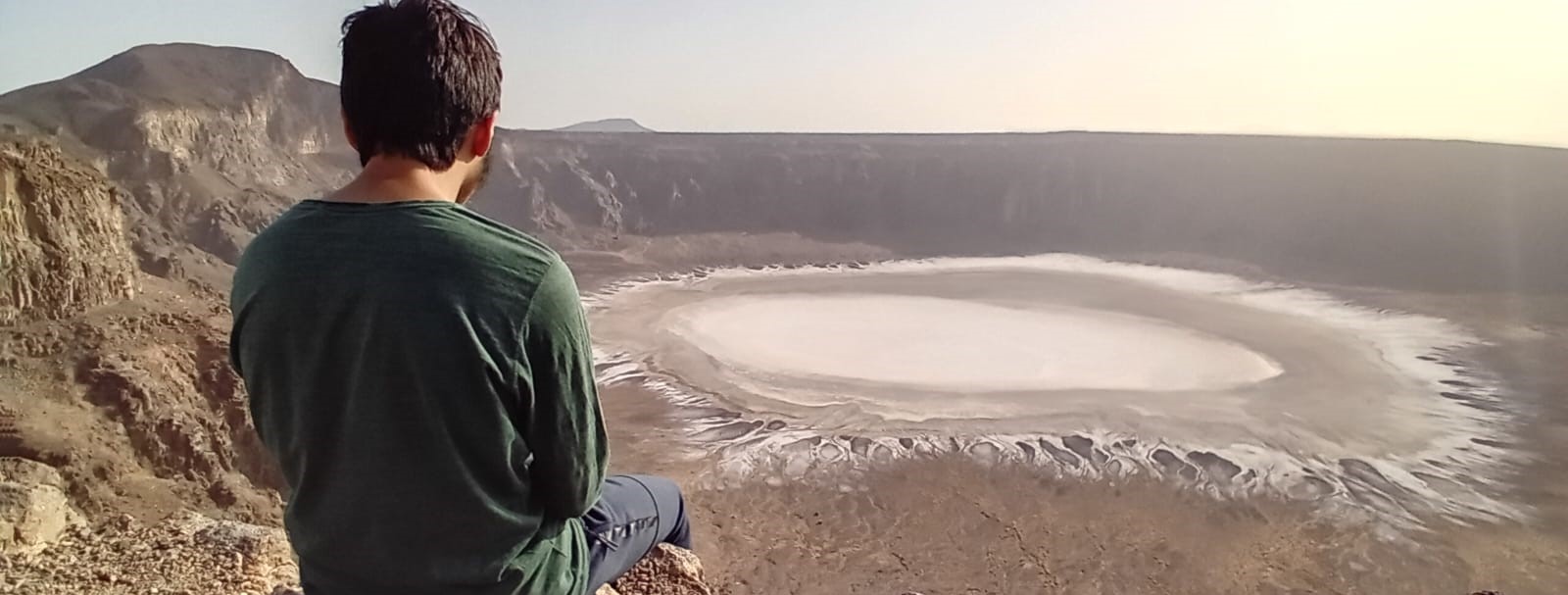
The crater has a diameter of 2 kilometers, which is around the size of 8 full-sized soccer fields, and a steep fall of around 300 meters (about 984.25 ft) which is almost 100 stories of a standard apartment building. The floor of the crater was white as it was covered by white sodium phosphate crystals creating a striking contrast with the surrounding dark volcanic rocks. I noticed a foggy mist rising from the base of the crater to a few hundred meters above the mountains, something that I had not seen in any of the videos or pictures. The fog was something that was adding to the overall haunting feel of the Wahbah crater.  
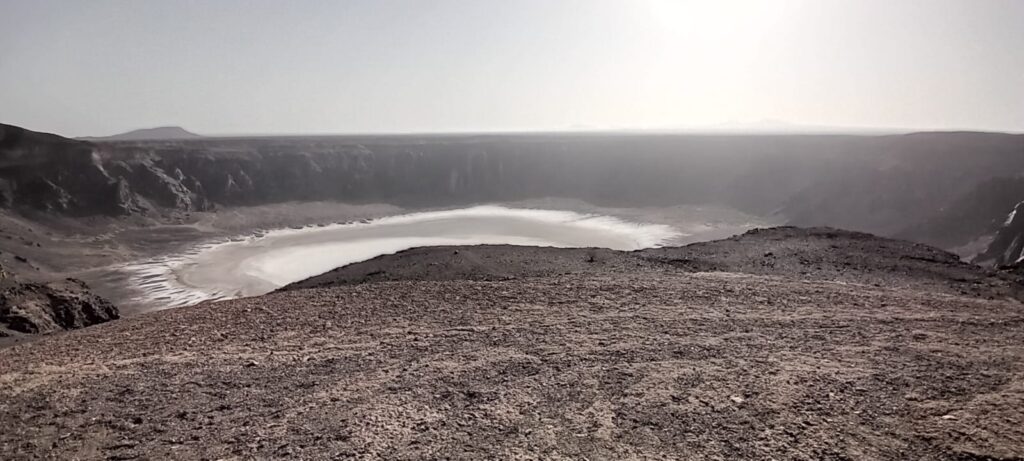
Volcanic Fog or VOG 

The weather around was pleasant but there was no sign of any fog or mist except for what was rising from within the crater to a few hundred meters above the highest point of the crater. The mist, as I later found out, was due to a phenomenon called volcanic fog or vog. Vog is formed when volcanic gases, such as sulfur dioxide and other particles, react with moisture in the air, creating a hazy and misty atmosphere. This volcanic fog can sometimes be localized and confined to specific areas, like the inside of the crater, even when there is no fog present in the surrounding regions. The pleasant weather might have played a role in facilitating the formation of vog, as temperature and humidity conditions contribute to this occurrence. In all the videos that I had seen and the material I had read online, there was no mention of Vogs. The Vog that we were witnessing could contain harmful gases and particles, so I was not sure if we should be climbing down or even being so close to it.   

Climbing Down

The kids were excited and wanted to climb down. In multiple videos that I had seen on YouTube, I had seen a path specially created for people wishing to climb down into the crater. It was a maximum descent of about 30-40 minutes for small kids while adults could have climbed down a bit faster. So initially I did not see a problem, except that I could not find that path. And wherever the path could have been it seemed to be closed by some sort of human-caused landfall. Kids tried to discover some paths of their own, but it did not look safe, so we went back up to the designated viewing areas. Later I found out that Saudi authorities had closed the path as it was unsafe because of the VOG. Some locals had to be rushed to hospitals because of breathing issues. So in the end it was good that we did not risk climbing down in the crater.  
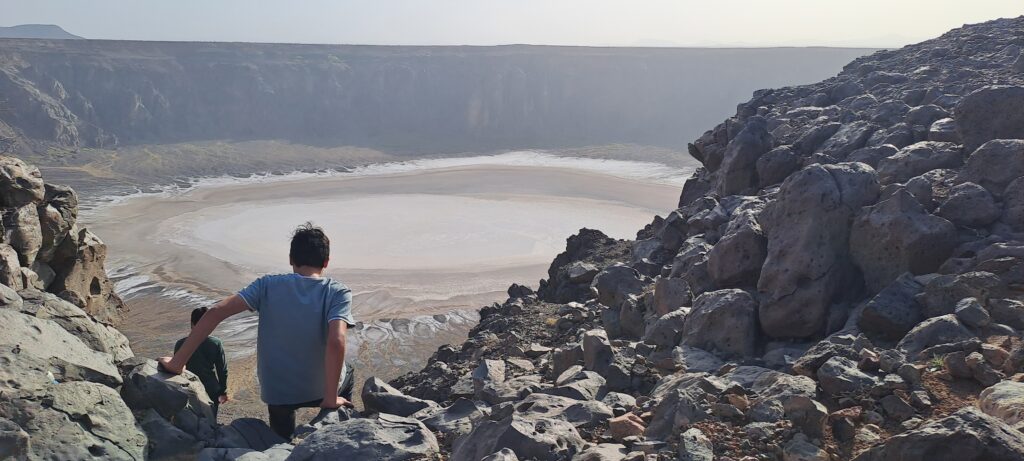
Whispering Gallery Effect 

Another extraordinary experience was that we could talk to each other without shouting even if we were around a kilometer away from each other. That felt creepy and fun at the same time. This phenomenon that we experienced, where sound travels exceptionally well over long distances in a specific area, is known as acoustic mirroring or the “whispering gallery effect.” This effect occurs due to specific acoustic properties of the landscape, such as the crater’s unique shape and the presence of natural reflectors that help sound waves travel long distances with minimal loss of energy. Natural reflectors in the context of the Wahbah crater can be the surrounding hills or cliffs and/or the temperature and wind patterns redirecting sound waves toward specific locations. Temperature inversions can, in some cases, create layers of air with varying densities leading to sound refraction and reflection.  
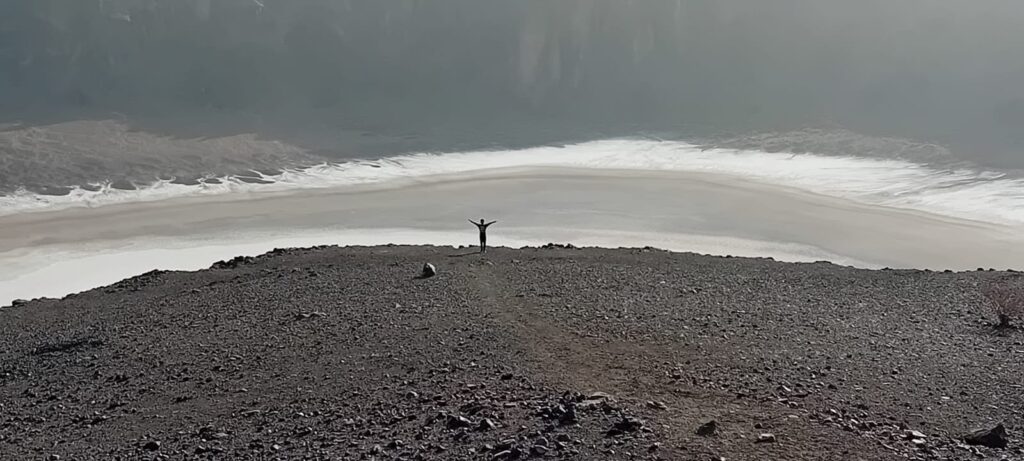
In such natural formations, sound waves can be directed and focused, allowing them to travel great distances even when there are obstacles in between. This can result in clear and audible communication between individuals who are far apart without the need for shouting or using loudspeakers. 

The whispering gallery effect is an interesting and remarkable acoustic phenomenon that occurs in various natural and man-made structures, and it was so fascinating to experience it firsthand! 

How was the Wahbah crater formed? 
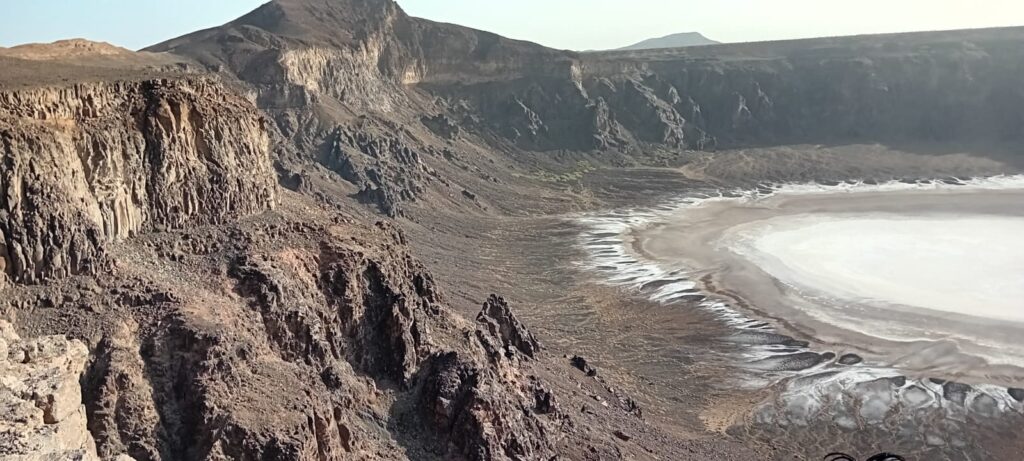
The Wahbah Crater, also known as Al Wahbah, is a volcanic crater, and its formation is attributed to volcanic activity. The general process of crater formation might have involved the following steps: 

A Volcanic Eruption during which molten magma, ash, and gases are expelled from the Earth’s interior onto the surface. The eruption might have been explosive, leading to the ejection of substantial amounts of volcanic material, including rocks, ash, and gas, into the atmosphere. After the eruption, the emptied magma chamber beneath the volcano could have collapsed due to the loss of support, leading to the formation of a large depression on the Earth’s surface. Over time, the depression might have undergone various erosion processes, including weathering, rainfall, and wind, which shaped the crater’s final form. The white sodium phosphate crystals on the crater floor are likely the result of evaporative processes that occurred when water from rain or other sources interacted with the volcanic material, leaving behind these mineral deposits. 

It’s important to note that the exact details of the crater’s formation may vary depending on the specific volcanic activity and geological processes involved.  

Conclusion 

Wahbah Crater is a remarkable geological feature that offers insights into the volcanic history of the region and continues to attract curious visitors like us. After spending around 30-40 minutes on the various viewing points around the crater, I was quite thankful that I took the 200 KM detour. After all, that is what adventure is all about, you never know whether the destination you are going to will be a boom or a bust. The only thing we missed doing, was climbing down to the base of the crater and experiencing it from there. However due to the mist, it was not safe to be outside the viewing areas, let alone climbing down to the crater.  

For more blogs on my traveling experiences, stay tuned to the ‘thepakistandream.com’.  


A Visit to Al Qarah Mountain Range

The Al-Qarah Mountain Range or Jebel Al-Qarah is in the Al-Ahsa Province of Saudi Arabia. Al-Ahsa province is marked as a UNESCO World Heritage Site. Al-Ahsa Oasis is composed of twelve components and has more than 2.5 million palm trees 

They represent traces of continued human settlement in the Gulf region from the Neolithic to the present, as can be seen from remaining historic fortresses, mosques, wells, canals and other water management systems. With its 2.5 million date palms, it is the largest oasis in the world. Al-Ahsa is also a unique geo-cultural landscape and an exceptional example of human interaction with the environment. 

Source: https://whc.unesco.org/en/list/1563 

Fascinated by how the rocks were shaped.  

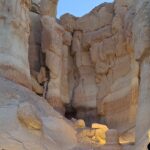
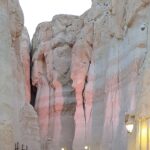
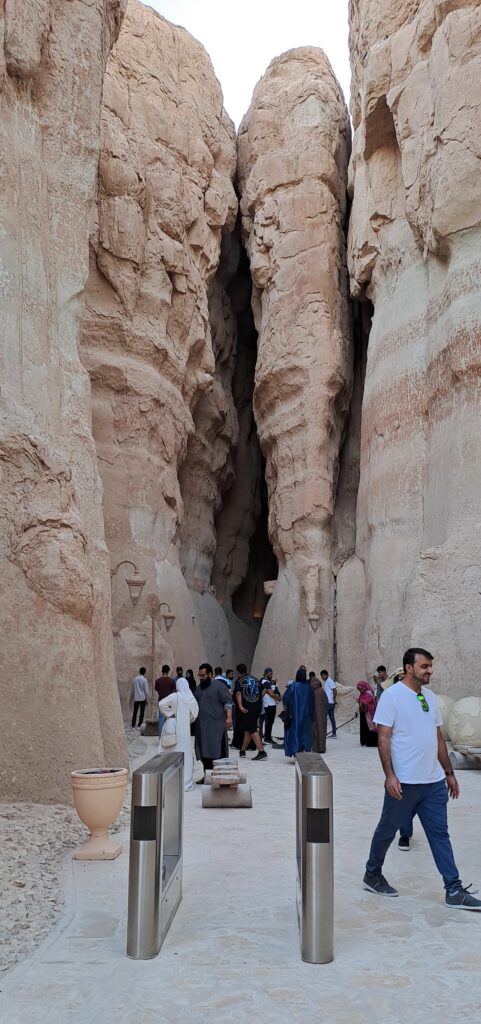
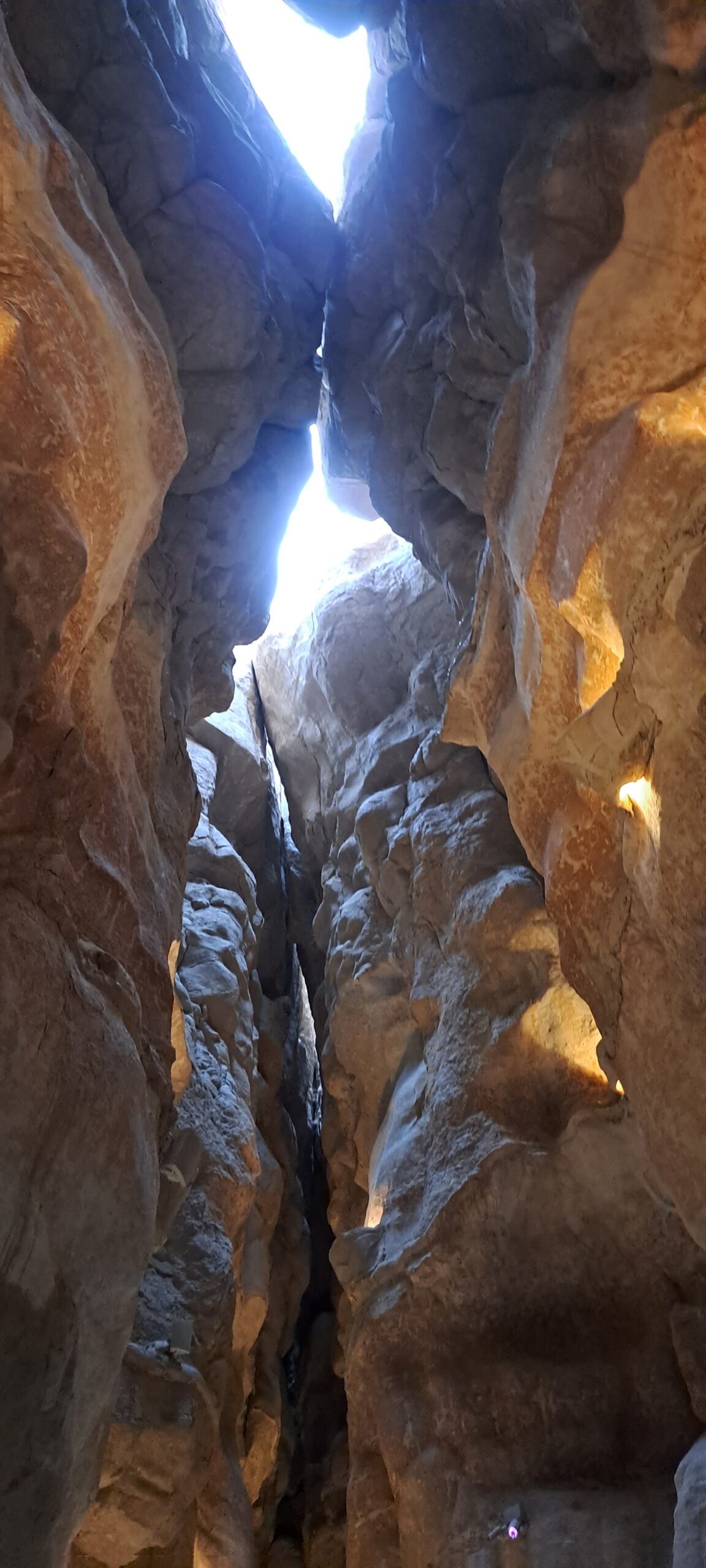
The first thing that fascinated me about the Al-Qarah mountains was how different they looked from the solid and rugged mountains I had seen before. Al Qarah Mountains looked almost as if they had been made from clay or play-do. The sides of the mountains looked as if they were shaped and filed to give an even look while its top looked as if they have been shaped round and flat by somebody’s hand.

This difference in the outlook of the Al-Qarah mountains, as I later found out, was because these mountains were composed of sedimentary rocks. Sedimentary rocks are one of the three types of rocks (the others being igneous and metamorphic rocks) that are found on our planet and are formed by the gradual accumulation and compression of sediments over an extended period. These sediments encompass a range of materials including sand, silt, clay, and organic matter, which settle and solidify under the weight of geological forces. Unlike the hard and resistant rocks typically found in mountainous regions, sedimentary rocks have a certain malleability due to their composition and formation process. Blowing winds and flowing water have the ability to sculpt and refine the surface of these rocks, resulting in their distinct and shaped appearance. 

The Caves 

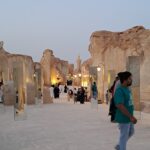
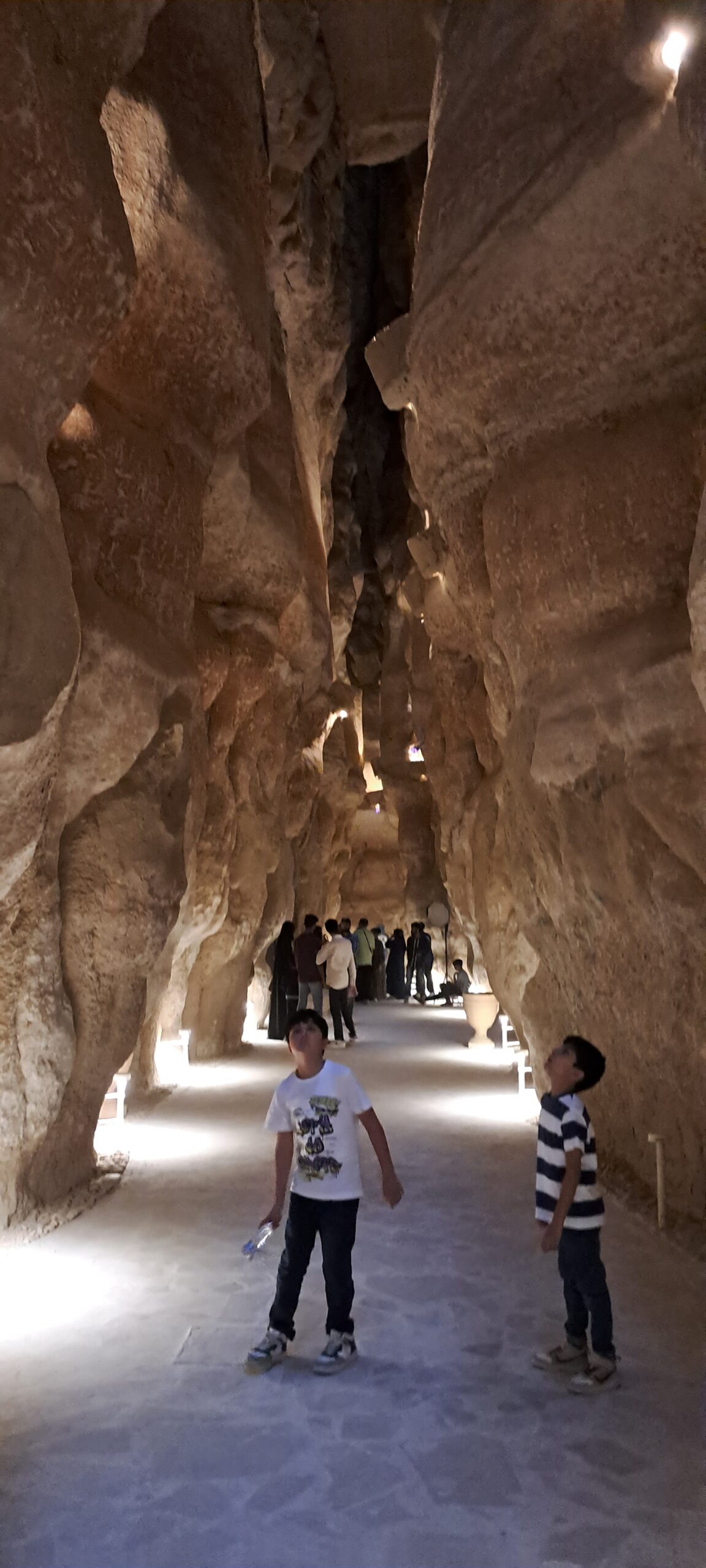
The caves are the major tourist attraction of the Al-Qarah mountain range. The lead-up to the cave is majestic. Slowly we walked up a well-lit path, made tourist-friendly by placing benches, lights, and spots for taking pictures. Normally entrance to caves is small and one has to crawl or at least bend to get in, but that was not the case here. We could easily walk inside as if we were passing the grand entrance of a royal palace.

As we entered the caves, we noticed that the temperature inside was way cooler than what we were experiencing outside. Later, I read a bit about it and found that caves have their own climates due to insulation from sunlight, existent or non-existent passage for airflow, and geothermal heating. It is a fascinating thing to read and research about. So do read up on it!   

The walkway inside the caves is well lit up and there are many opportunities for taking stunning pictures. We even found a photographer who had set up his camera and flashlights, for people wanting a more professional photo.

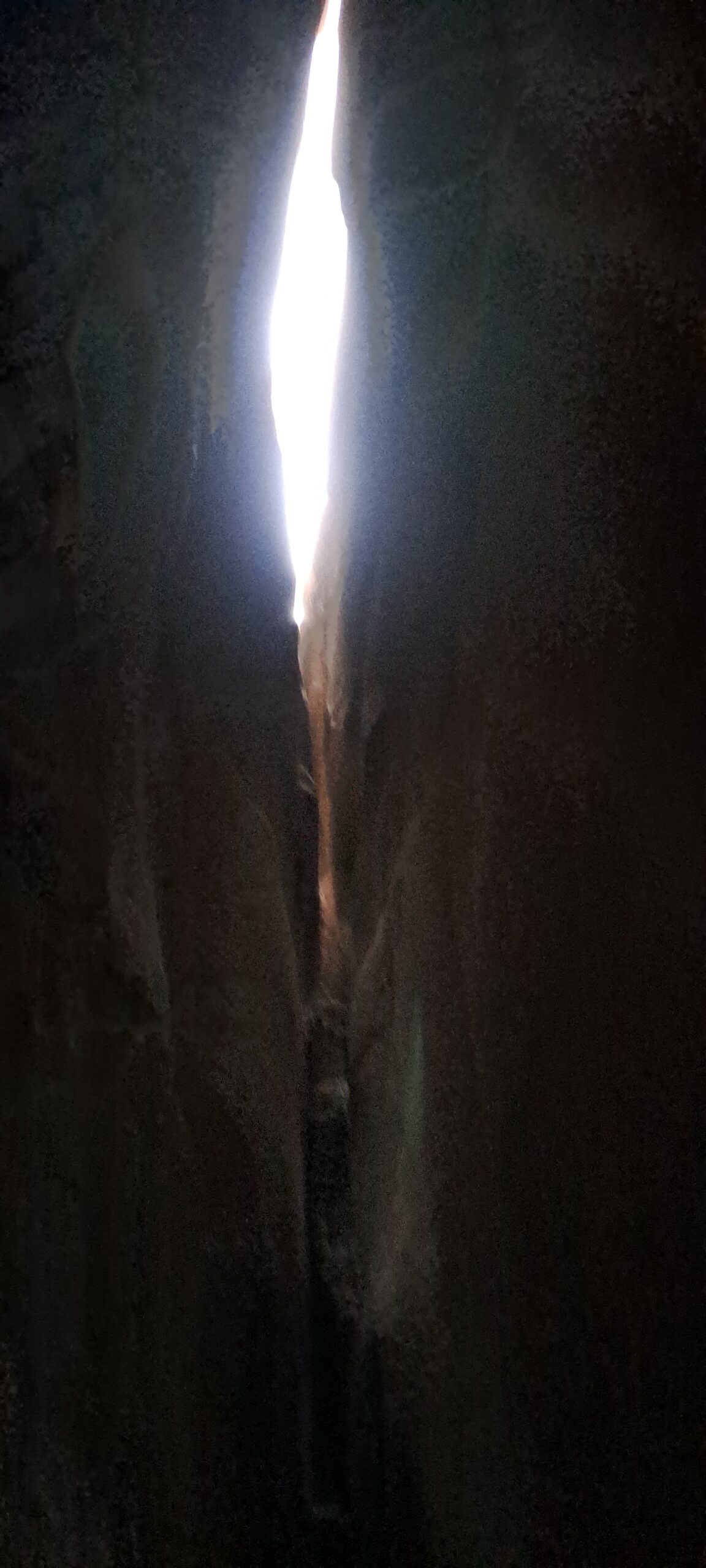
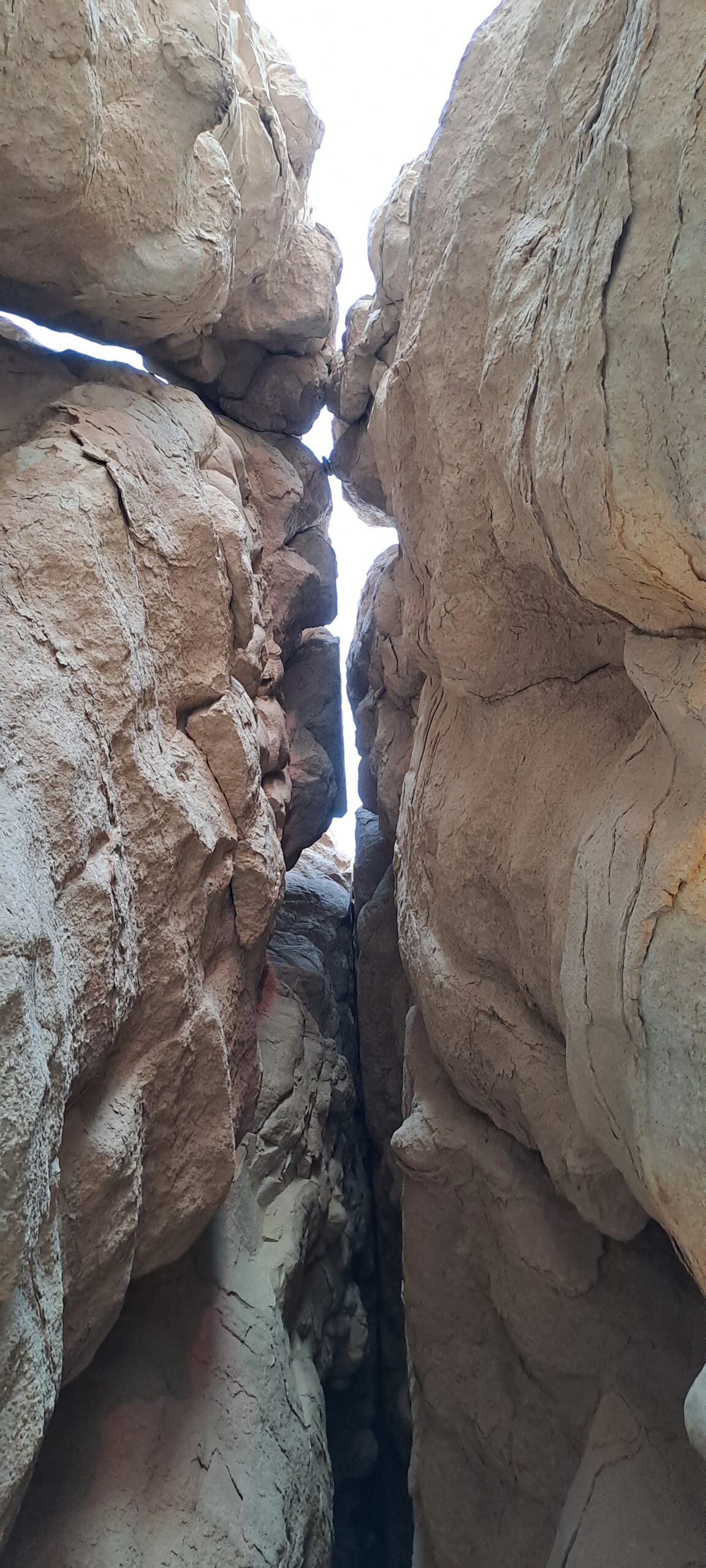
There were many passages inside, some lit up artificially, some by sunlight making way from the roof of the caves, while some were dark, and we had to rely on torch lights from our mobile phones. All the passageways were dry, but I think that during rainy seasons, there might be some sort of water falling from the top. It took us around 30 minutes to explore all the passageways. All of us, more importantly the kids, were super awed from what they saw especially when they saw that some of the rocks seemed to be hanging from the roof.

There were no recognizable patterns or organization of these passages inside the caves. Some of them were wide enough for 2-3 persons to pass through them at a time and some were so small, that only a kid can pass through. Passing through them and thinking about what I was seeing, I wondered how they were formed in the first place. These caves even had no pattern or symmetry like some of the caves shaped by human civilizations like Petra. Was it because these mountains were submerged under the sea once, and water used to flow through these caves, shaping them? Did the water recede underground or due to tectonic shifts the mountains appeared above the surface? Considering that Al-Ahsa is an Oasis this was the likeliest of all possibilities.  

Whatever the answer to how they were formed, one cannot help but be amazed at the many different expressions of our Creator. When I design or create something I fret about ordering and arranging things into a symmetry, but here I saw that our Creator has created these mountains and many similar structures worldwide, without following any geometrical shape, design, or symmetry. And yet they look so majestic and spell bounding! One can only wonder at the powers of Allah, who makes all of this happen by just saying, Kun.  

About the site

A UNESCO World Heritage Site: Al Qarra mountains and the Al-Ahsa province in general is a UNESCO world heritage site and one must include it in their bucket list to explore and see for themselves why it has been nominated as such. More information can be read from the UNESCO website.

Tickets and Services: Tickets were 50 SAR for Adults and for children under 13 the entrance was free. The location also has a small museum, a masjid, clean washrooms, small shops for souvenirs and groceries, and a restaurant. The exploration time takes around 30-40 minutes and even more, if you want to climb up the mountains and look at the view, which is definitely recommended, especially to witness the sunset.

Presence on Instagram: @landofcivi is their Instagram handle. I messaged them about their timings and received a reply on the same day, which was really cool of them.

A Memorable Morning at Al-Kout Beach: Discovering the Magic of Nature

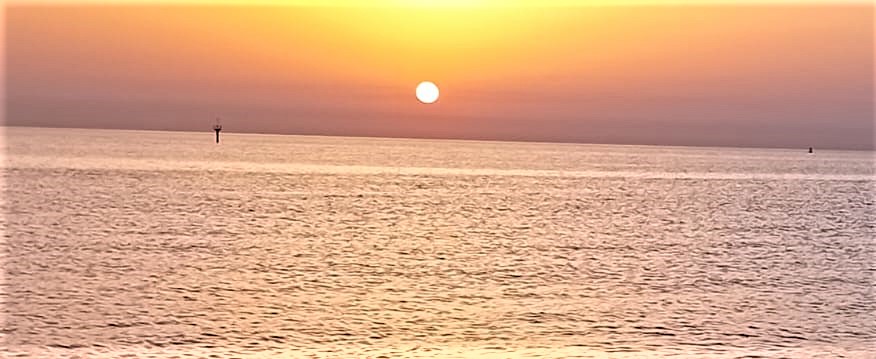
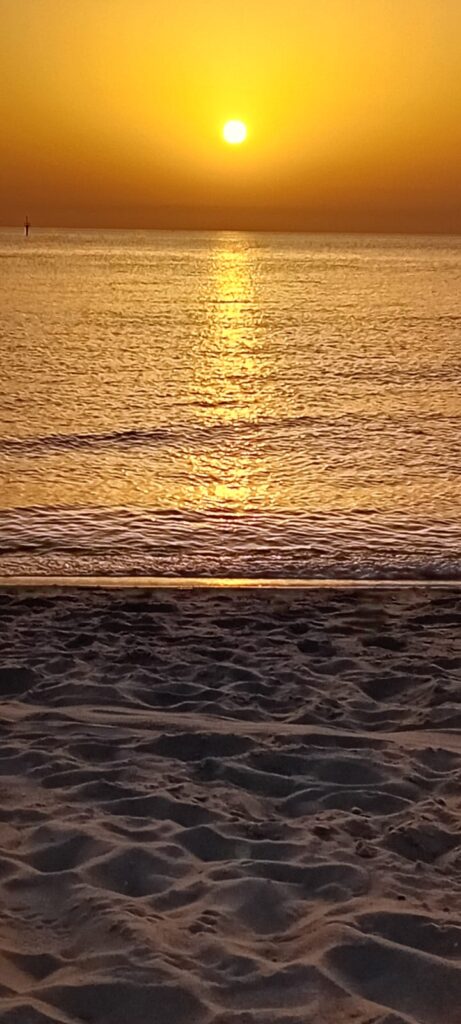
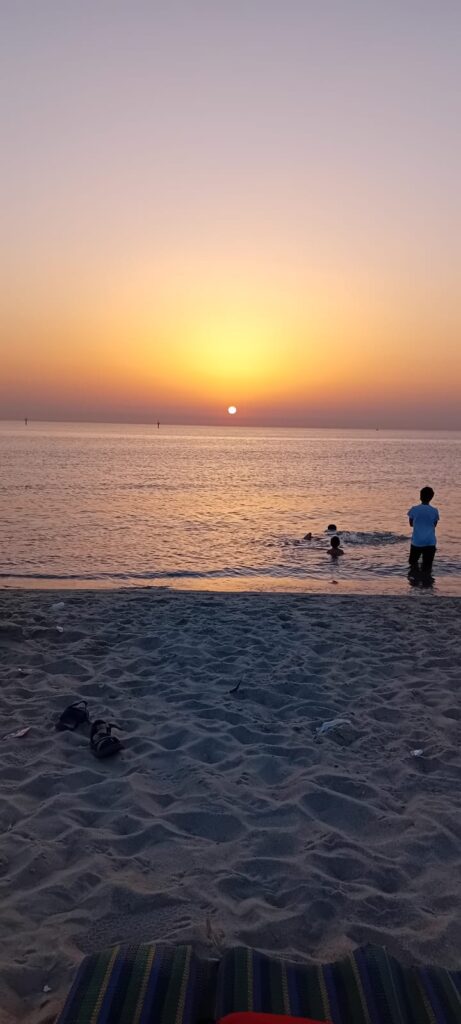
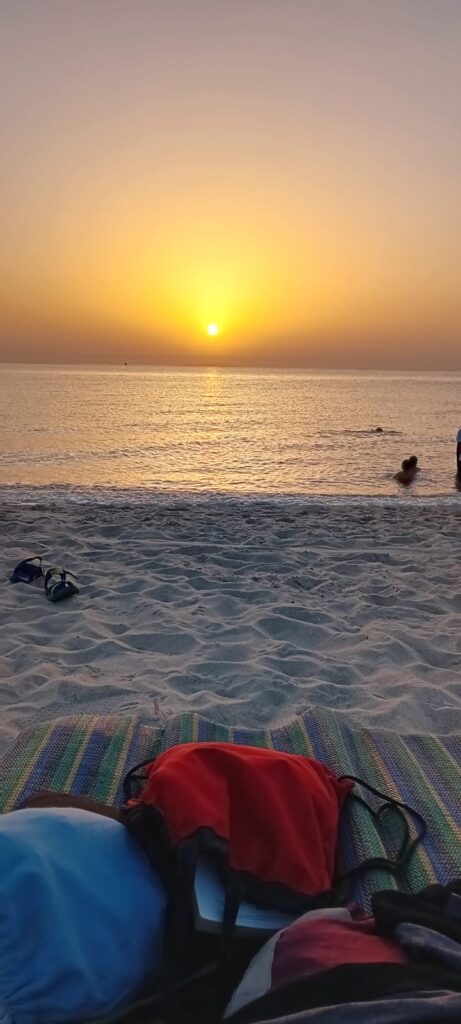
Sun Rise in Al Kout Beach

Sometimes, I find myself planning expensive vacations so that I may experience nature up, close and personal. However, I realized that nature is not confined to distant exotic destinations—it surrounds us in abundance as a priceless gift bestowed upon us by our Creator. Regardless of our wealth, age, or gender, everyone has the opportunity to revel in the splendor that nature has to offer. The vast sky above, the graceful flight of birds, the refreshing air we breathe, and the tall majestic trees —all serve as magnificent showcases of Allah’s countless blessings upon us. I had one such magical experience at Al-Kout beach, Kuwait, which I recount here.

In early June, when temperatures in Kuwait reach as high as 50 degrees, I decided to visit Al-Kout beach and have a swim in the sea. Al Kout beach is located in Al-Fahaheel area and is around 20 kilometers from Kuwait city.  

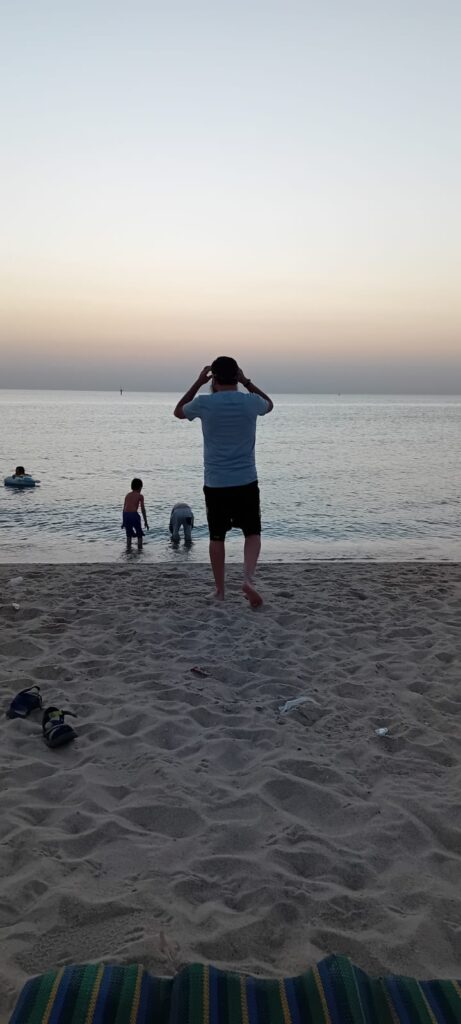
Because of extreme high temperatures during the day, we left our homes 30 minutes before sunrise. The beach is very close to Fahaheel’s residential and commercial areas, so when I reached there, I could already see some families at the beach site.  Nature all around us 

Nature all around us

As I dived into the sea I felt that the water was a bit cold and it took us a while to get used to it. A pleasant breeze both welcomed and sent shivers through our wet bodies. The brown color of the sandy beach teaming up with the blue colored ocean was majestic to look at and be a part of.  

I went to enjoy nature and nature didn’t disappoint me. First up, was the sight of the sun, coming out of the sea. It was like an orange colored ball that was casting a majestic reflection onto the sea. As I looked towards it, the sun was so close that I felt that I can grab it with my hand, it was so mellow that I could stare at it, without the fear of burning my eyes. It was hard to believe that within a few hours, the same sun will cause the temperatures to go as high as 50 degrees!

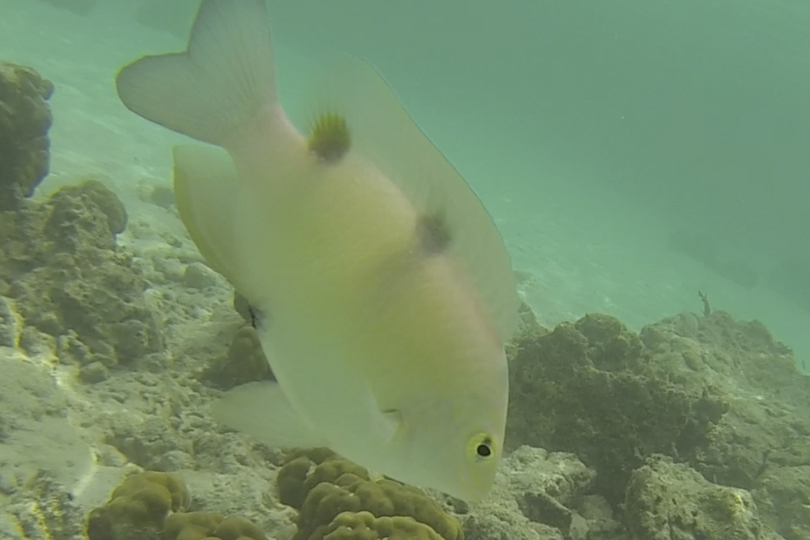
White Damsel. Al-Kout Beach
White Damsel. I am no expert but they somewhat looked like these

After enjoying the sight of the sun rising from the horizon, I put on my goggles and dived inside to explore the ocean’s bed. I couldn’t believe my eyes, when I saw a flock of fish swimming so close to me. Their skin was milky white and they didn’t seem threatened by my presence which made me wonder if they had actually come to greet me. Their size was as small as my palm but few of them were slightly bigger. As I enjoyed watching the fishes swim in random patterns I wished I had brought snorkeling equipment so that I can stay underwater longer than I am able to hold my breath.

After swimming, exploring and cleaning the ocean floor, I decided to surrender to the serenity of the moment. I spread my arms sideways, turned my face and chest towards the sky, floated on my back and allowed my body to be cradled by the gentle waves. I opened my eyes and gazed upwards towards the sky. The vast expanse of the clear blue sky greeted me, captivating me with it’s flawless perfection and immaculate craftsmanship.  

Just as I marveled at the clear blue sky, a formation of pigeons gracefully soared above us. Their synchronized flight added an extra touch of enchantment to the already idyllic scene. In the presence of the cool water embracing me, the light breeze caressing my skin, the mellow sun casting its warn glow, the playful fishes beneath me, and the azure sky above, I couldn’t help but feel overwhelmed by the abundance of natural beauty surrounding me. It was a harmonious symphony, orchestrated by Al-Musawwir, reminding me of the extraordinary wonders that HE has created all over the world. I just couldn’t help but recite.

The Al-Kout Beach 

I was impressed by how well-maintained and clean the beach was. It was evident that considerable effort was being put in maintaining its cleanliness and beauty. Even at this early hour, workers worked tirelessly to keep the beach and its surroundings clean and spotless.  

However, I wish I can say the same about the visitors visiting the beach. While most take care, some treat the ocean as a large trash can, where you can throw anything that you don’t need. As I dived towards the ocean’s bed, I could see plastic wrappers, empty cola cans and water bottles. I can only wonder how people can be so careless towards this blessing from Allah.  

Al-Kout is a public beach and access to it is completely free. There are running and jogging tracks as well as numerous restaurants and fishing spots. While most restaurants open in the evening, some restaurants like Starbucks and McDonalds were open to serve their breakfast menus. It was quite thoughtful of the authorities to provide the convenience of public washrooms so near to the beach-side. It added to the overall experience and allowed me and my kids to wash and change easily.

Conclusion 

Overall me and my kids enjoyed this early morning rendezvous to Al-Kout beach, so it is something that I would highly recommend to people who want to explore nature. While it may be tempting to bring recording equipment to capture the enchanting moments, I personally find it more fulfilling to immerse ourselves in the beauty of nature without the distractions of technology. No camera or microphone can truly encapsulate the splendor of the scenery, the captivating aromas, and above all, the overwhelming emotions that arise when one is in such close proximity to the wonders of nature.  

That being said, I do suggest bringing along some light snorkeling equipment. It allows for an extended encounter with the mesmerizing underwater world and offers a unique perspective on the marine life thriving beneath the surface. The ability to linger and observe the fishes in their natural habitat is an experience that shouldn’t be missed. 

For those who are curious to know, I have provided the link of the location below. Do visit Al-Kout beach to create your own unforgettable memories. I would love to hear from you, so don’t forget to share your experience in the comments section.

Location:

https://goo.gl/maps/S6pAV1f19SPoruuVA